Fencing Contractor Keeping Pace with Buckeye's Growth
New Construction Fencing for Buckeye Properties
New construction dominates the fencing workload in Buckeye, where housing developments continue to push westward into previously undeveloped desert terrain at a pace that few West Valley cities can match. Fresh-graded lots in master-planned communities require complete perimeter fence installations that account for the specific soil composition revealed during the grading process, which often exposes caliche layers, loose fill, and variable compaction depths that differ from one lot to the next within the same subdivision. Builders working these new developments typically install a baseline fence to close out the construction permit, but homeowners frequently upgrade or modify that initial installation to add privacy, replace chain link with vinyl or block wall, or install pool barriers once the backyard hardscape is complete. The sheer volume of new lots means the fence construction timeline in Buckeye often runs parallel with home construction, and coordination with builders, HOA architectural review committees, and county permit offices becomes part of the installation process. Properties that have been occupied for five to ten years in the earlier phases of communities like Verrado and Tartesso are now reaching the point where original fence installations show the first signs of desert wear, creating a growing repair and replacement market alongside the new construction demand.
Desert Soil and Climate Challenges in Buckeye
Properties on the western edge of Buckeye face some of the most exposed conditions in the metro area. Reduced development density means fewer surrounding structures to buffer wind, and the proximity to open desert amplifies dust loading on fence surfaces and increases the abrasive wear on paint finishes, powder coatings, and exposed wood fibers. West-facing fence panels on these properties absorb the most intense afternoon sun during summer months, which accelerates material degradation on that specific section of the fence line even when the rest of the perimeter holds up well. Understanding these directional exposure patterns helps determine where to invest in more durable materials and where standard options will perform adequately. Soil conditions in Buckeye trend toward the extremes found across the West Valley. Newly exposed desert ground frequently contains caliche at variable depths that standard post hole diggers cannot penetrate without specialized boring equipment. Lots graded from agricultural land may have compacted but poorly consolidated fill that allows posts to shift during the first monsoon season if footings are not set to adequate depth in stable substrate below the fill layer. Every installation starts with an honest assessment of what is beneath the surface because no amount of quality fencing material compensates for posts that are anchored in the wrong soil horizon.
Perimeter Fencing for Buckeye's New Subdivisions
Perimeter fencing on new construction lots in Buckeye requires coordination with multiple stakeholders before the first post goes in the ground. The HOA architectural review committee dictates material type, color, height, and placement relative to the property line. The county permit office requires a building permit for fences exceeding certain height thresholds, and utility locates must confirm that no buried lines or pipes run through the planned fence alignment. Skipping any of these steps creates compliance issues that range from HOA violations requiring fence modification to utility strikes that halt construction and generate repair costs. The most common perimeter fence in Buckeye new construction is a combination of block wall along rear and side property lines with optional vinyl, iron, or chain link segments depending on the subdivision guidelines and homeowner preferences. Block wall construction on freshly graded lots benefits from access to the soil profile before landscaping covers the ground, allowing precise footing placement based on the actual subsurface conditions rather than assumptions. Post-construction fence additions are still possible but often cost more due to limited equipment access through finished yards, the need to protect existing hardscape and landscaping, and the complications of working around irrigation systems and pool equipment that were not present during the original grading.
Pool Barriers and Backyard Enclosures in Buckeye
Pool barrier requirements in Buckeye follow the same Arizona code that applies across Maricopa County, but the high rate of new pool construction in this market makes proper barrier installation especially critical. Many Buckeye homeowners add pools within the first year or two of occupying a new home, which means the pool fence installation often happens after the perimeter fence is already in place. Integrating a pool barrier with an existing fence requires careful planning to ensure the barrier creates a complete enclosure with no gaps that exceed the four-inch maximum opening allowed under Arizona code. Gate placement needs to account for access patterns so the self-closing, self-latching hardware functions properly without obstructing foot traffic or conflicting with nearby landscaping features. Backyard enclosures beyond pool barriers include pet containment areas, outdoor living space partitions, and play areas that use shorter fencing sections to define zones within the larger yard. These installations do not carry the same code requirements as pool barriers but still need to withstand the desert climate, which means post depth, material selection, and hardware quality all matter for long-term performance. Vinyl and wrought iron work well for these applications because they handle UV exposure and thermal cycling without the maintenance burden that wood imposes in this environment.
RV Gates and Property Access Solutions in Buckeye
RV gate demand in Buckeye runs higher than in most West Valley cities because many of the master-planned communities here were designed with RV parking in mind, and the properties attract homeowners who own travel trailers, fifth wheels, boats, and off-road vehicles that need wide-access entry to the backyard or side yard. Standard RV gates span twelve to sixteen feet and require structural engineering that accounts for the weight of the gate panels, the wind loading on a large flat surface, and the leverage forces transmitted to the hinge posts with every open and close cycle. Steel tube framing with composite or corrugated infill panels provides the best combination of durability and resistance to thermal warping in this climate. Hinge posts need reinforced concrete foundations that extend below the frost line equivalent depth for this region to prevent shifting under the repeated dynamic loading that a wide-span gate generates. Automatic openers are a popular addition to RV gates in Buckeye, providing hands-free operation for homeowners who access their backyard parking frequently. Solar-powered openers take advantage of the abundant sunshine to operate without a dedicated electrical connection, while hard-wired electric systems with battery backup ensure reliable operation during monsoon-season power interruptions. Safety sensors and emergency release mechanisms are included in every automatic gate installation to prevent injury and allow manual operation when needed.
Comprehensive Fencing Services in El Mirage
Tailored to Your Needs
We provide a complete range of fencing services designed for the unique demands of the Arizona desert. Whether you need a new block wall to define your property line, a vinyl privacy fence that handles the heat, or a code-compliant pool enclosure, our crew has the equipment and expertise to get it done right. Every installation starts with a thorough site evaluation, soil assessment, and permit review so there are no surprises once we break ground.
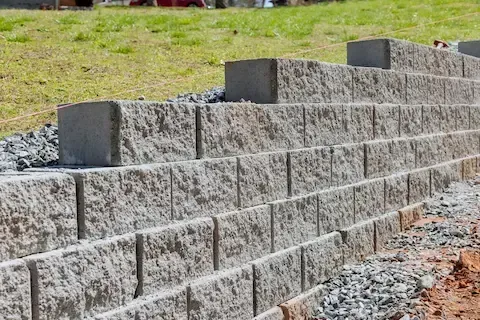
Durable CMU block walls built for El Mirage desert conditions with engineered footings and proper reinforcement.
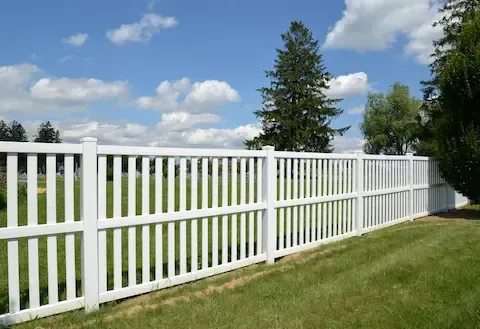
UV-resistant vinyl fencing installed with deep-set posts to handle El Mirage heat and monsoon winds.
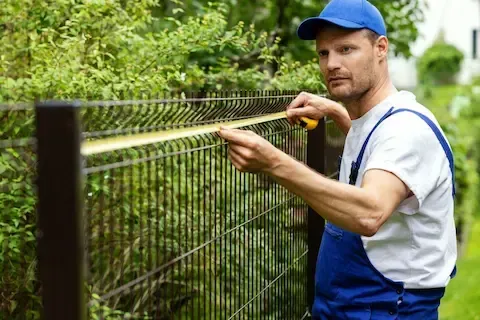
Custom wrought iron fences with powder-coated finishes built to last in the El Mirage desert climate.
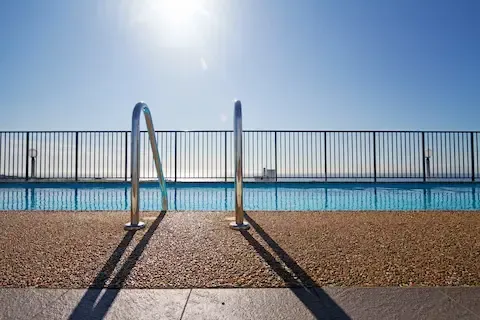
Code-compliant pool fences installed to meet Arizona safety requirements for El Mirage homeowners.
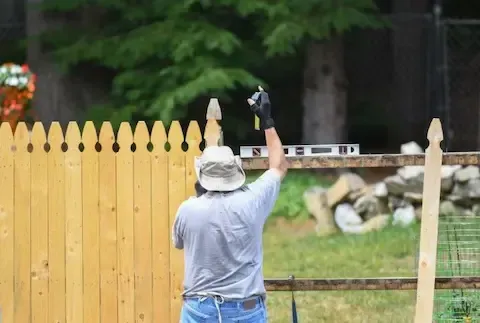
Cedar and treated wood fences installed with UV protection and deep post settings for El Mirage properties.
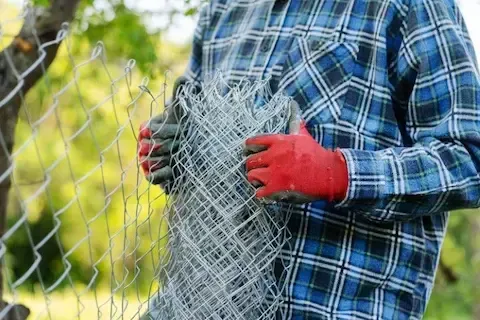
Galvanized and vinyl-coated chain link fences for El Mirage homes and businesses at affordable prices.
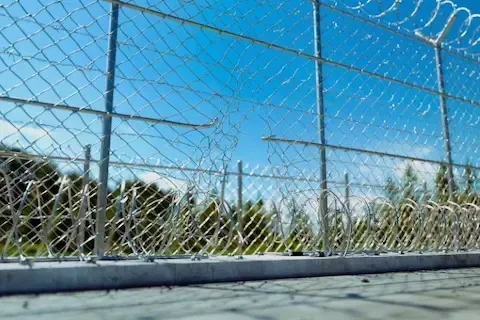
Expert fence repair for block walls, vinyl, wood, iron, and chain link fences across El Mirage.
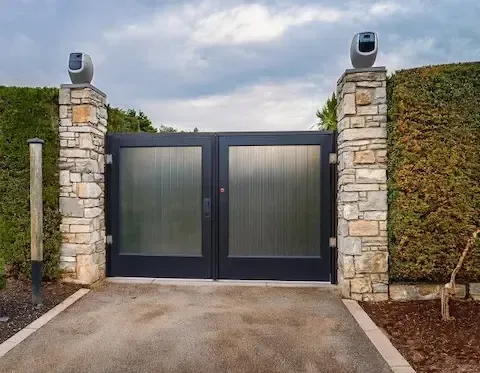
Custom-fabricated RV gates, driveway gates, and pedestrian gates for El Mirage properties.
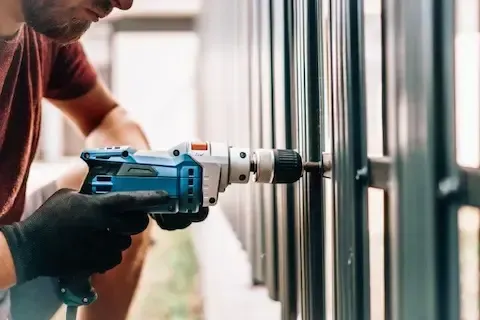
Security perimeters, access-controlled gates, and industrial fencing for El Mirage businesses.
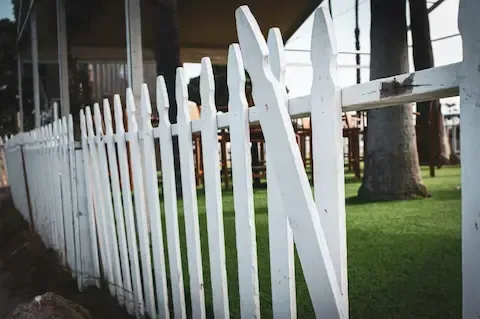
Complete fence tear-out, debris removal, and new installation as one seamless El Mirage project.
Frequently Asked Questions
Fencing can be complex, and we’re here to provide answers to common questions. Here are some frequently asked questions from our clients.
Frequently Asked Questions about Fencing Contractor
How much does a new fence cost in El Mirage?
Fence costs in El Mirage depend on material type, linear footage, and terrain conditions. Block walls typically run higher than vinyl or chain link due to foundation requirements in our desert soil. We provide detailed written estimates after an on-site evaluation so you know exactly what to expect before any work begins.
What type of fence works best in the Arizona desert heat?
Vinyl and block wall fencing handle extreme heat the best in our West Valley climate. Vinyl resists warping up to 160°F and never needs painting. Block walls provide thermal mass and wind protection. Wood fences require more maintenance due to UV damage and low humidity, while wrought iron holds up well but gets extremely hot to the touch during summer months.
Do I need a permit to build a fence in El Mirage, AZ?
Yes, most fence installations in El Mirage require a building permit from Maricopa County. Height restrictions, setback requirements, and HOA rules vary by subdivision. We handle the permit process for our customers and make sure your fence meets all local codes before we start building.
How deep do fence posts need to go in desert soil?
In El Mirage desert soil, fence posts typically need to go 24 to 36 inches deep depending on the material and fence height. If we hit a caliche layer, which is common along the Agua Fria corridor, we use specialized equipment to bore through it and set posts with proper concrete footings for long-term stability.
How long does a typical fence installation take?
Most residential fence installations in El Mirage take between two and five days depending on the scope. A standard vinyl or chain link fence for an average lot can be completed in two to three days. Block wall construction takes longer due to foundation curing time. We schedule around monsoon season when possible to avoid weather delays.
What is caliche and how does it affect fence installation?
Caliche is a hardite calcium carbonate layer found throughout the El Mirage and West Valley area, sometimes just 12 to 18 inches below the surface. It can stop a standard post hole digger cold. We use pneumatic rock drills and jackhammers to break through caliche and ensure your fence posts reach proper depth for a solid, lasting installation.
Need Fencing?
What Our Satisfied Clients Have to Say About El Mirage Premium Fencing Builders
We pride ourselves on delivering great results and experiences for each client. Hear directly from home and business owners who’ve trusted us with their Fencing needs.

They built a block wall across our entire backyard and it looks incredible. The crew worked through the caliche without missing a beat. Best fencing experience we have had in 15 years of Arizona homeownership.
El Mirage Homeowner
We needed a pool fence that met code before our home inspection deadline. They got the permit fast, installed the fence in one day, and it passed inspection the first time. Highly recommend for anyone needing pool barrier work.
Surprise Homeowner
Our vinyl fence survived its first monsoon season without a single loose post or panel. The deeper post settings they recommended were worth every penny. Three neighbors have already asked for their contact information.
Peoria Homeowner
The Trusted Fencing Expert Near You
Ready to hear more about expert services at El Mirage Premium Fencing Builders?
Contact us today to receive a detailed, no-obligation quote.
